

Men rarely describe it using clinical language. What they say instead is that the interest just isn’t there anymore. Nothing obviously wrong, no pain, no illness they can point to, but something that used to feel natural has quietly gone.
Partners notice before the man does, often. Relationships develop a strain nobody can quite name. What many of these men are dealing with has a diagnosis.
Hypoactive sexual desire disorder is a recognised medical condition, not a character flaw, not a relationship failure, not something that comes automatically with age. It has identifiable causes and a real treatment pathway.
What Is Hypoactive Sexual Desire Disorder
What is hypoactive sexual desire disorder in simple terms, it is chronic lack of sexual desire, or sexual fantasy that leads to distress to the man involved, or relationship difficulty.
Everyone goes through phases of reduced interest. Hypoactive sexual desire disorder is not that. It is a sustained loss that does not lift on its own and that the person finds genuinely troubling.
What is hypoactive sexual desire disorder separate from, it is not the same as a man who simply has a lower baseline drive than his partner.
It is not a temporary dip from a stressful month at work. The clinical picture involves absent desire across situations, over a sustained period, with real personal distress attached.
More men live with this than reported figures suggest. The cultural expectation that men are always interested in sex keeps many from ever mentioning it to a doctor.
Hypoactive Sexual Desire Disorder in Men: Why It Gets Missed
In comparison to women, hypoactive sexual desire disorder in men has not received much clinical focus. The disproportional attention given to female sexual dysfunction has been in research, pharmaceutical development, and the conversation concerning health of the population.
The gap leaves men without a clear framework for understanding what is happening. They get told it is stressful, they get told it is aging. Sometimes it is relationship issues, these things can contribute, but they rarely explain the full picture on their own.
Hypoactive sexual desire disorder in men has specific hormonal and neurological drivers that differ from the female presentation.
Testosterone plays a more central role, the dopamine system is more directly implicated and the psychological weight of masculine identity, expectation of always wanting sex, adds a layer of shame that delays men from seeking help far longer than it should.
What Actually Causes It
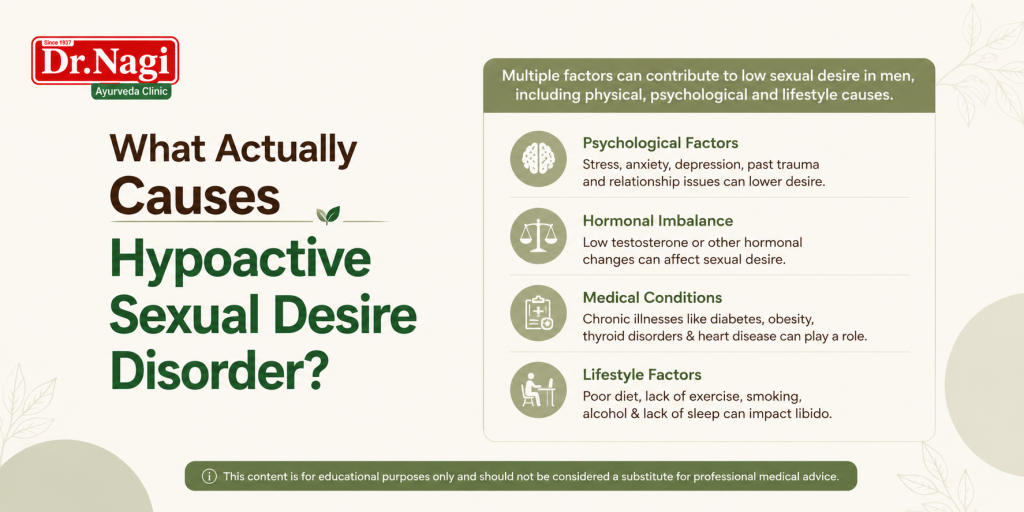
Hypoactive sexual desire disorder rarely comes from one source. In most men it is several things running together.
Hormonal Causes
Low testosterone is the most commonly identified driver, testosterone directly fuels desire in men, when levels fall, interest follows. The decline is gradual in most cases, which is why men adapt to it slowly without connecting the dots.
Other hormonal contributors include:
- High prolactin, when elevated, it suppresses testosterone and kills sexual interest directly
- Thyroid dysfunction, both underactive and overactive thyroid affect libido through metabolic and hormonal disruption
- Chronically high cortisol, cortisol and testosterone move in opposite directions. Sustained stress means sustained hormonal suppression
Psychological Causes
Depression is one of the strongest predictors of lost desire in men, and the medications used to treat it, particularly SSRIs, often make the problem worse as a side effect. This creates a difficult position where treating one condition aggravates another.
Performance anxiety builds its own feedback loop. A man who has had difficulty performing starts anticipating failure before any encounter begins. That anticipation reduces desire before anything physical even happens.
Relationship tension, unresolved conflict, and emotional disconnection do the same, suppressing desire in ways that no hormonal treatment alone can fix.
Physical and Lifestyle Causes
Physical factors that feed into hypoactive sexual desire disorder in men include:
- Cardiovascular disease restricting blood flow relevant to arousal
- Obesity converting testosterone to estrogen through aromatization
- Chronic poor sleep, testosterone production happens during deep sleep, so disrupted sleep directly cuts production
- Alcohol and substance use suppressing both testosterone and dopamine over time
- Physical inactivity raising cortisol and weakening cardiovascular function
Certain medications contribute too, antihypertensives, opioids, and some prostate medications are known suppressors of male sexual desire.
Getting a Proper Diagnosis
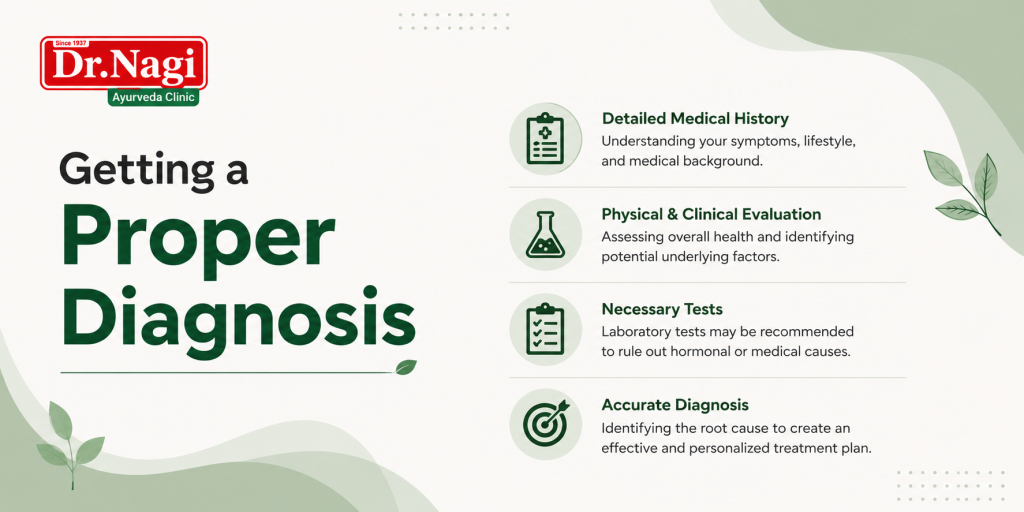
A real assessment of hypoactive sexual desire disorder covers more than a single testosterone test.
It should include:
- Duration and pattern of reduced desire, whether it is situational or generalised
- Full hormonal panel, testosterone, prolactin, thyroid hormones, cortisol
- Screening for depression and anxiety
- Medication review for known libido-suppressing drugs
- Lifestyle and relationship context
- Physical examination where relevant
Treatment direction follows from what is actually found. A man with low testosterone and high prolactin needs a different approach from one whose condition is primarily depression-driven or relationship-related.
Treatment Approaches
Here are some treatment approaches:
Hormonal Treatment
Where testing confirms testosterone deficiency, replacement therapy may be recommended. When elevated prolactin is identified, the underlying cause gets investigated, a pituitary adenoma being one possibility, and managed accordingly.
Correcting thyroid dysfunction often restores desire without any additional sexual health intervention being needed.
Psychological Treatment
Where psychological factors drive the condition, cognitive behavioural therapy and sex therapy address the thought patterns and relational dynamics keeping the problem in place.
Couples therapy becomes relevant where emotional disconnection or conflict is a significant part of the picture.
A conversation with a doctor about antidepressant medication and alternatives with fewer sexual side effects is a step that is too often postponed since men do not relate their mood treatment to sexual activity.
Ayurvedic Treatment
Ayurveda does not target hypoactive sexual disorder disorder based on the isolated pursuit of a single measurable deficiency, but instead, it aims at balancing hormones, the functioning of the nervous system, and constitutionality.
The disease lies in Ayurvedic wisdom as loss of the ojas, the vital essence that regulates reproduction, as well as vata and pitta not being in balance with the systems that support the desire.
Herbs and approaches that may help:
- Ashwagandha brings cortisol down, supports testosterone production, and rebuilds nervous system resilience. Among the most researched herbs for male hormonal health
- Kaunch beej high in L-DOPA, which converts to dopamine in the body. Dopamine drives the reward-motivation system that desire depends on neurologically
- Gokshura supports luteinizing hormone production, which signals the testes to produce testosterone. Also supports kidney vitality, which Ayurveda connects to reproductive energy
- Shatavari supports hormonal balance and reproductive tissue health when used alongside male-specific herbs
- Panchakarma therapies used in clinical settings for deeper depletion where internal herbs alone are not sufficient
Two to three months of consistent Ayurvedic treatment is a realistic minimum before improvement in desire becomes clearly noticeable.
Results tend to sustain better than pharmaceutical approaches because the treatment is addressing the underlying imbalance rather than substituting for a missing hormone.

About Dr. Nagi Clinic
Dr. Nagi Clinic in Ambala has been treating hypoactive sexual desire disorder and other sexual health concerns since 1937.
Reduced desire, low confidence, premature ejaculation, early discharge, low stamina, and phimosis are handled here as the medical issues are assessed individually, managed privately, treated with Ayurvedic care that aims for lasting resolution rather than temporary relief.
Dr. Nagi is renowned as among the best Ayurvedic sexologists in India. It is not an advertisement but nine decades of family clinical practice.
Every patient receives a case-by-case evaluation and a treatment plan designed based on what is truly occurring in his or her particular situation and not a standardized protocol.
Conclusion
Hypoactive sexual desire disorder is not aging, not weakness, and not something a man has to quietly accept. The causes are real, they are identifiable, and they respond to the right treatment when properly assessed.
If reduced desire has been present for months and is affecting life or relationships, a structured individual evaluation is the right next step.
FAQs
What is hypoactive sexual desire disorder and how does it differ from normal low libido?
It is a persistent, recurring absence of sexual desire that causes genuine personal distress or relationship difficulty. It is not a temporary dip from stress or exhaustion, it is sustained, does not resolve on its own, and the man experiencing it finds it troubling.
What causes hypoactive sexual desire disorder in men most commonly?
The most common drivers are low testosterone, chronic high cortisol, depression, poor sleep, relationship dissatisfaction and some drugs. Most of the men with multiple of these coexisting and not one isolated cause.
Can it be treated without hormonal therapy?
Yes, in most instances, when psychological, lifestyle or constitutional causes are predominant, Ayurvedic therapy, psychotherapy and lifestyle modification deal with the condition without the intervention of hormones.
How long does Ayurvedic treatment take to show results?
A realistic minimum of treatment is two to three months of treatment each day. The improvement is gradual and is likely to be retained since the treatment is correcting an underlying imbalance, and not substituting a single deficient hormone.
When should a man seek help for this condition?
When reduced desire has persisted for several months, is causing personal distress, or is visibly affecting a relationship, that is when a proper assessment becomes the worthwhile next step.