

Men carry this quietly, it feels like something that should have ended in teenage years, or in households where semen conservation is treated as a matter of health and virtue, it feels like evidence of weakness or lack of control.
Most men never bring it up with a doctor, many never bring it up with anyone. The silence around nocturnal emission keeps a lot of men stuck in unnecessary distress over something that, in most cases, is physiological rather than pathological.
Where it does become excessive and starts producing symptoms, it has identifiable causes and it responds to treatment, that is what this blog covers.
What Is Nocturnal Emission?
Nocturnal emission, commonly called nightfall or a wet dream, is the involuntary release of semen during sleep, usually during REM sleep. It can occur with or without erotic dreams and is generally considered a normal physiological process.
Nocturnal Emission Meaning: The Basics First
Nocturnal emission meaning in plain terms, semen is ejaculated involuntarily during sleep. The man is not fully conscious, no deliberate physical stimulation is involved. It typically happens during REM sleep, often alongside an erotic dream, though not always.
Nocturnal emission meaning carries layers beyond the physical event in Indian cultural contexts specifically, the terms nightfall and wet dream both refer to the same thing, wet dream connects the event to erotic dream content.
Nightfall is the term that runs through Indian Ayurvedic tradition, folk medicine, and common conversation, and it carries a weight that pure physiology does not explain.
That cultural weight, the association with loss of vital energy, with weakness, with moral failure, is worth naming clearly. It shapes how men experience the condition and how long they carry distress about it before seeking any help.

Nocturnal Emissions Causes: Breaking Down What Drives It
Nocturnal emissions causes differ across age groups and between men experiencing occasional versus frequent events. In most cases several factors are operating at once rather than one cause sitting alone.
Hormonal Causes
Testosterone drives both semen production and sexual arousal, high testosterone combined with infrequent ejaculation produces more nocturnal emission naturally, the body is doing what it does. In adolescence this is the primary driver and nothing is wrong.
In adult men, hormonal disruption complicates the picture:
- Elevated prolactin suppresses testosterone and disrupts sleep simultaneously, a combination that increases nocturnal emission frequency
- Thyroid imbalance, underactive or overactive, affects both hormonal balance and sleep architecture in ways that feed the condition
- Chronically elevated cortisol from prolonged stress degrades sleep quality and keeps the nervous system reactive during sleep phases when it should be settling
Nervous System and Psychological Causes
The ejaculatory reflex during sleep runs through the same nervous system pathways as during waking activity. A nervous system that has been chronically overworked responds more easily to erotic content during REM sleep.
Nocturnal emissions caused through this pathway include:
- Sustained anxiety holding the nervous system in a permanently reactive state
- Heavy or frequent pornography use that sensitises the arousal threshold and increases erotic dream frequency
- Psychological stress that processes through vivid dreaming during sleep
- Extended sexual inactivity building accumulated tension that finds release nocturnally
Physical and Lifestyle Causes
Physical factors that push nocturnal emission frequency up:
- Inconsistent sleep timing disrupting architecture and increasing fragmented REM phases
- Stimulating food, caffeine, or alcohol close to sleep raising nervous system activity when the body should be winding down
- Physical inactivity through the day leaving nervous energy without a discharge route
- Full bladder at sleep time creating pelvic pressure that can trigger the ejaculatory reflex
- Tight or restrictive clothing in bed providing inadvertent physical stimulation in the pelvic region
Symptoms That Come With Frequent Occurrence
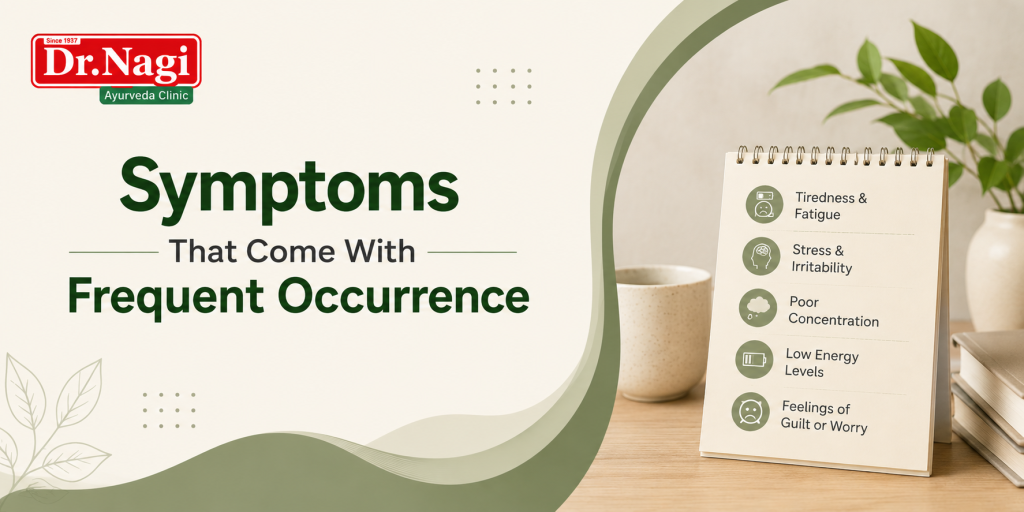
Occasional nocturnal emission produces no symptoms, frequent occurrence over a sustained period is where men report things starting to show up physically and mentally:
- Fatigue in the morning that persists regardless of how long one sleeps
- Dull ache or discomfort in the lower back
- Concentration that drifts easily through the working day
- Low mood that does not have an obvious situational cause
- Reduced confidence around sexual performance
- A general flatness, reduced vitality that the man struggles to explain
Ayurveda attributes this cluster to repeated depletion of shukra dhatu, the reproductive essence which when drained consistently affects ojas and broader vitality.
Whether this framework or a conventional one is applied, these symptoms sitting alongside frequent nocturnal emission is clinical territory worth taking seriously.
Nocturnal Emission Treatment: Ayurvedic Approaches
Ayurvedic nocturnal emission treatment has a deep and specific clinical history across India.
In Ayurvedic understanding the condition reflects uncontrolled shukra release, the vital reproductive essence, alongside vata imbalance disrupting the nervous system’s regulation of the ejaculatory reflex during sleep.
Internal herbs that may be relevant:
- Ashwagandha rebuilds nervous system resilience that chronic stress and repeated depletion wear down over time. Reduces cortisol and supports the overall vitality that excessive nocturnal emission gradually drains.
- Kaunch beej supports dopamine balance and reproductive function. May help regulate the neurological arousal that drives excessive nocturnal events.
- Shatavari supports reproductive tissue replenishment and shukra dhatu recovery. Used consistently in classical formulations for this condition.
- Brahmi a specific nervine tonic for an overactive nervous system. Most relevant where stress, anxiety, and vivid dreaming sit at the centre of the pattern.
- Bala strengthens reproductive tissue and supports ojas. Found in classical Ayurvedic formulations developed specifically for this presentation.
Medicated oil massage and Panchakarma therapies are used in clinical Ayurvedic settings for men presenting with significant depletion symptoms, fatigue, back discomfort, concentration difficulty, alongside internal treatment.
Dietary guidance focuses on foods that support shukra dhatu and reduce pitta aggravation, warm milk with ashwagandha, ghee, almonds, sesame seeds.
Reducing spicy and stimulating food in the evening forms part of the recommendation consistently across classical and contemporary Ayurvedic practice.
The Psychological Dimension: Wet Dream, Nightfall, and Cultural Weight
The terms wet dream and nightfall carry weight in Indian culture that goes well beyond physiology. Many men seeking treatment are not dealing with a medical problem, they are dealing with distress built on cultural beliefs about semen loss.
A significant number of these men experience anxiety disproportionate to what is actually happening in their body, the frequency is normal, the distress around it is not.
Accurate information works as treatment here. Understanding that occasional nocturnal emission is physiologically normal reduces distress faster than any herb or intervention often does.
What cultural narratives get wrong:
- Nocturnal emission does not drain vital energy in the catastrophic way folk beliefs suggest
- It does not reflect lack of discipline or weak character
- It does not indicate a moral failing or loss of control
- Occasional occurrence is the body functioning as it should, not malfunctioning
For men where frequency genuinely is excessive and physical symptoms are present, the psychological dimension still matters alongside physical treatment. Both aspects deserve equal attention from any practitioner worth consulting.

About Dr. Nagi Clinic
Dr. Nagi Clinic in Ambala has been treating nocturnal emission and other sexual health concerns since 1937.
Low confidence, early discharge, low stamina, premature ejaculation, phimosis, and reduced desire all come through the door here as ordinary medical problems.
No shame attached to the consultation, no judgment about what the man is experiencing or how long he waited to address it. Each patient gets an individual assessment and a plan built specifically around their presentation.
Privacy is maintained throughout without exception, Dr. Nagi holds recognition as one of the best Ayurvedic sexologists in India, a standing that comes from nearly nine decades of continuous family clinical practice, not from advertising.
Patients visit from Ambala and surrounding areas including Yamunanagar, Patiala, Ludhiana, and Mandi Gobindgarh.
Conclusion
When the frequency of nocturnal emission is excessive, symptoms are developing, or the distress around it has been untreated for an extended period of time, it becomes a problem worth addressing. It is physiology, not failure, that occurs occasionally.
When there is a true imbalance, the causes can be found, and the condition responds well to the appropriate treatment when it is administered without shame or needless delay.
Frequently Asked Questions (FAQs)
What is nocturnal emission and is it normal in adult men?
Involuntary ejaculation during sleep. Once or twice monthly is normal. Frequent occurrence several times weekly with symptoms warrants proper assessment.
What are the main nocturnal emissions causes in adults?
Stress, anxiety, heavy pornography use, disrupted sleep, hormonal imbalance, and stimulating food or drink before bed.
What does nocturnal emission treatment involve in Ayurveda?
Internal herbs like ashwagandha, kaunch beej, brahmi, and shatavari combined with dietary adjustment and nervous system management over two to three months.
How to stop nocturnal emission through daily habits?
Empty bladder before sleep, avoid stimulating food and alcohol, wear loose clothing, maintain consistent sleep timing, and practice breathwork before bed.
When does nocturnal emission require professional assessment?
When frequency is several times weekly, physical symptoms like fatigue appear, or significant psychological distress accompanies the condition consistently.