


Search “blue waffle” and within seconds you’re looking at images that’ll make your stomach turn. Most people close the tab immediately. Others start panicking, convinced they’ve just discovered a disease nobody warned them about.
Here’s the truth blue waffle disease doesn’t exist. Not in any hospital record, not in any medical journal, not in any WHO database. A gynecologist has never once written that diagnosis on a prescription pad. The whole thing started as internet shock content somewhere around 2008 and spiraled so far out of control that real people started showing up at clinics genuinely frightened.
That said some of those images weren’t entirely fabricated. Some showed real infections. Advanced, untreated, painful infections that got that bad because someone was too embarrassed to see a doctor for months. That’s the actual conversation worth having.
What Those Images Were Really Showing
When a patient describes what they think is blue waffle skin discoloration, discharge, inflammation, pain a doctor runs through a standard checklist. The answers are almost never surprising.
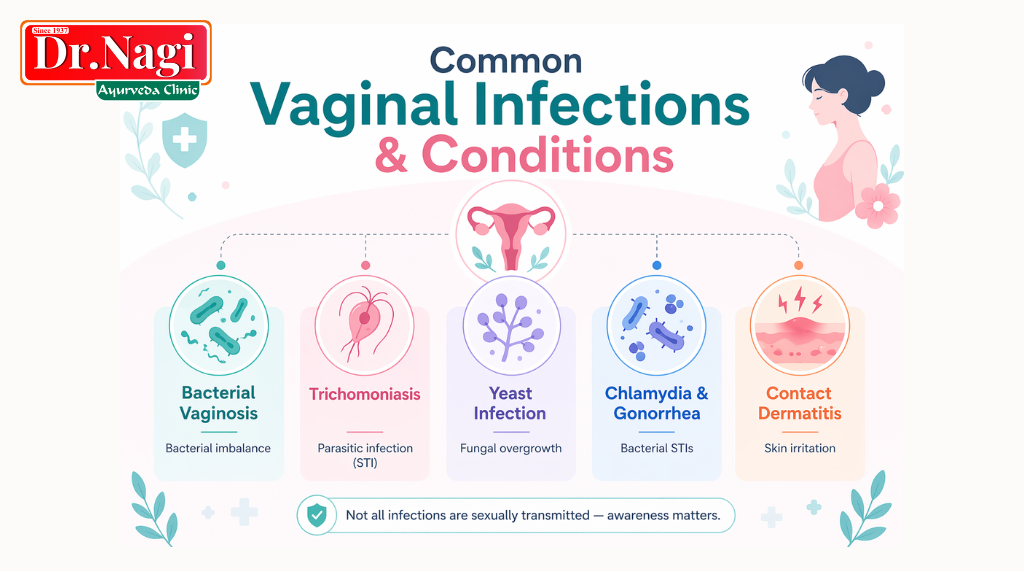
Bacterial Vaginosis is probably behind more of those images than anything else. It’s not even technically an STI it happens when the vagina’s natural bacterial balance gets disrupted. Antibiotics for something unrelated, a new soap, chronic stress any of these can trigger it. Greyish discharge, strong smell, irritation. Unpleasant but completely treatable.
Trichomoniasis is a well-concealed STI that is parasitic. Some of them have it for months without any symptoms. When it finally manifests itself, frothy yellow-green discharge, much itching, then both partners should be treated simultaneously, otherwise it will only go back and forth.
Yeast infections get dismissed as minor but a severe untreated case looks alarming. Intense redness, thick discharge, real swelling. A lot of the viral blue waffle images were probably this, photographed badly under harsh lighting.
Chlamydia and gonorrhea are the quiet ones capable of sitting undetected for months. When symptoms finally appear, the infection has usually been present far longer than anyone realized. Both need prescription antibiotics, no shortcuts.
Contact dermatitis catches people off guard. New latex condom, different laundry detergent, scented intimate wash any of these can cause swelling and redness that looks genuinely frightening. Not an STI. Just an allergic reaction.
Why These Infections Actually Happen
There’s a damaging assumption that vaginal infections only happen to people who’ve been “irresponsible.” That assumption stops people from getting help and it’s simply not accurate.
Bacterial vaginosis develops readily in women who aren’t sexually active at all. Hormonal contraceptives, pregnancy, and perimenopause all shift the vaginal environment significantly. Chronic stress weakens immunity in measurable, documented ways. People sleeping badly, eating poorly, under sustained pressure they get recurring infections at noticeably higher rates. This is physiology, not judgment.
Douching is another underappreciated culprit. The vagina maintains its own internal environment. Washing it internally disrupts precisely the bacterial balance that keeps infections away. Same with scented products marketed specifically for “feminine hygiene.” The irony is real.
Symptoms That Actually Need Attention
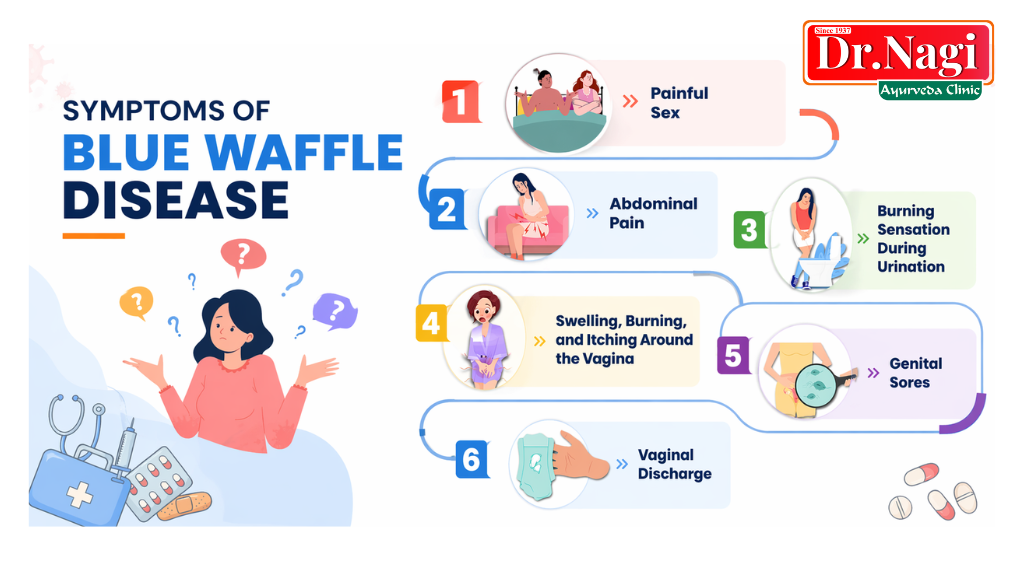
Forget the blue waffle disease name. These symptoms regardless of what you’ve read online need a doctor:
Discharge that’s changed color, smell, or consistency. Itching or burning lasting more than a couple of days. Pain during sex that wasn’t there before. Burning while urinating. Redness or swelling around the vulva. Any sore, blister, or skin lesion in the genital area. Unexplained discoloration.
Every condition behind these symptoms is straightforward to treat when caught early. The same conditions become genuinely complicated when someone waits six months out of embarrassment.
Treatment and the Role of Ayurveda
Correct diagnosis before anything else. Treating an assumed yeast infection when the actual problem is bacterial vaginosis doesn’t help it delays the right treatment and makes things worse.
Bacterial vaginosis clears with metronidazole or clindamycin. Trichomoniasis needs both partners treated simultaneously. Yeast infections respond to antifungal medication. Chlamydia and gonorrhea require specific antibiotic regimens prescribed by a doctor.
In case of recurrent infections that just come back despite therapy – this is where the best ayurvedic sexologist in India comes in. Ayurvedic medicine does not simply cure the episode at hand. It explores the reasons why the body continues to get susceptible – diet, stress, sleep, immunity, personal constitution. The antimicrobial and anti-inflammatory effects of herbs such as neem, turmeric and triphala are supported by pharmacological studies and not mere folklore. This treatment, used together with lifestyle correction, overcomes the patterns that antibiotics only postpones.

About Dr. Nagi Clinic
Dr. Nagi Clinic opened in Ambala for 85+ years. It is now run by the third generation of the Nagi family and has treated over 10 lakh patients across nearly nine decades of uninterrupted practice.
Clinics don’t survive three generations through marketing. They survive because patients experience real results and send their families. That’s exactly how Dr. Nagi Clinic’s reputation was built quietly, over decades, one resolved case at a time.
The approach combines classical Ayurvedic formulations refined through generations of clinical use with contemporary medical understanding. Every treatment plan is genuinely individualised, built around the patient’s constitution, history, and circumstances. Confidentiality is fundamental to how the clinic operates, not an afterthought.
Locations: Ambala, Yamunanagar, Patiala, Ludhiana and Mandi Gobindgarh.
Dr. Nagi’s Herbal Products
The products at Dr. Nagi Clinic weren’t developed in a boardroom. They were refined across three generations of actual patient care adjusted and improved based on real outcomes over decades. The range covers erectile dysfunction, premature ejaculation, low libido, sperm health, hormonal balance, and sexual vitality for both men and women.
Nothing is prescribed in isolation. Products form part of a complete, individualised treatment plan. The goal is resolution not a subscription.
Full range: drnagi.com/our-products/
The Bottom Line
Blue waffle disease is not real. The infections those images sometimes depicted very much are and they’re all treatable, usually quickly, when someone actually sees a doctor.
Sexual health is health. Nothing about it warrants shame or delay. If something feels wrong, get it evaluated. And if recurring problems keep coming back despite conventional treatment, Dr Nagi Clinic has been finding root-cause answers to exactly these questions since before Indian independence.
Frequently Asked Questions (FAQs)
Is blue waffle disease a real medical condition?
No, blue waffle disease is not real. It has no presence in any medical journal, hospital record, or WHO database. It began as internet shock content around 2008. Some images did show real untreated infections, but the disease itself was never recognized by any medical authority anywhere in the world.
What real infections could cause symptoms people link to blue waffle?
A number of real conditions lead to the appearance of similar symptoms such as discoloration, discharge, and inflammation. The most common culprits are bacterial vaginosis, trichomoniasis, yeast infections, chlamydia, gonorrhea and contact dermatitis. They both have a definite diagnosis and treatment. The issue is not the infection but the postponement of medical assistance due to embarrassment or fear.
What symptoms should make someone see a doctor immediately?
Contact a doctor in case of unusual discharge, itching or burning that does not go away, pain during sex, burning when urinating, swelling on either side of the vulva, and any sore or blister in the genital area. These are the symptoms to take into consideration. All the conditions they are in will be much easier to cure at an early age.
How are these infections treated, and where does Ayurveda help?
Treatment of most infections is done with antibiotics or antifungals based on diagnosis. Ayurveda will prove particularly useful when the infection continues to recur despite the traditional treatment. It treats root causes such as immunity, stress, diet, and hormonal balance with herbs such as neem, turmeric, and triphala and individualized lifestyle correction towards the permanent healing.
Why do vaginal infections come back even after proper treatment?
The infections that keep on occurring normally indicate more underlying imbalances that cannot be corrected by use of antibiotics. It is contributed by chronic stress, sleep disturbance, hormonal changes, disrupted vaginal bacteria or weakened immune system. Dr. Nagi Clinic recognizes these root causes and rectifies them with Ayurvedic treatment avoiding recurring episodes instead of merely treating them.